
Resumen de noticias de Noticuba marzo 18 de 2026

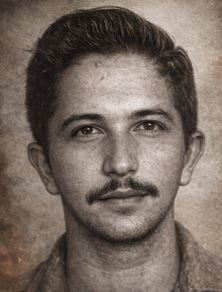 El capitán Floro Camacho, combatiente por la libertad en la Sierra del Escambray, lideró en junio de 1964 una resistencia armada contra las milicias castristas junto a otros guerrilleros del Frente Norte Camagüey-Las Villas. Durante cuatro días enfrentaron intensos ataques de las fuerzas del régimen, resistiendo incluso cercados en la cueva El Jagüey bajo bombardeos y explosivos. Malheridos, sin alimentos ni municiones, muchos fueron capturados. Camacho, debilitado pero firme en su causa, fue finalmente apresado. El 28 de junio de 1964, fue fusilado junto a su hermano José, convirtiéndose en símbolo de lucha y sacrificio por la libertad de Cuba. Por José Bello
Secretaría de Relaciones Internacionales de Cuba Independiente y Democrática
Ir a versión:
🇪🇸 Español |
🇺🇸 English |
🇫🇷 Français |
🇮🇹 Italiano

🇪🇸 ESPAÑOL
1-RUBIO DICE QUE CUBA NECESITA UN CAMBIO DE LIDERAZGO
Marco Rubio afirmó en la Casa Blanca que el problema central de Cuba es una economía “disfuncional” que el actual sistema político no puede corregir. Señaló que la dirigencia cubana no sabe cómo resolver la crisis y que el país necesita “gente nueva al mando”. Sus palabras siguieron a una intervención de Donald Trump, quien dijo que Washington está muy enfocado en Cuba y que pronto hará algo respecto a la isla. Rubio también recordó que el embargo está vinculado a cambios políticos y mencionó la ley Helms-Burton. Además, sostuvo que Cuba sobrevivió durante décadas gracias a subsidios soviéticos y venezolanos, hoy muy debilitados.
Fuente: Martí Noticias
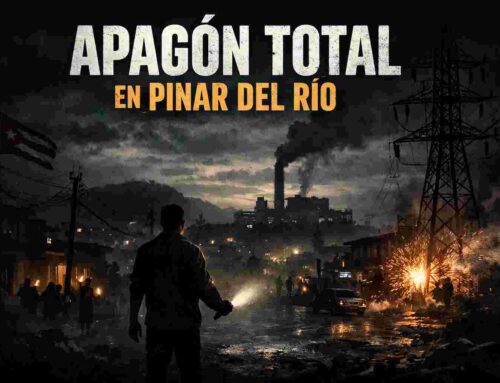
2-CASI TODA CUBA SIGUE A OSCURAS TRAS EL COLAPSO ELÉCTRICO
La Unión Eléctrica de Cuba reportó apenas 806 megavatios disponibles en todo el país, una cifra extremadamente baja frente a una demanda que ronda entre 3.000 y 3.200 megavatios. El dato confirma que, tras el colapso total del 16 de marzo, la recuperación del sistema sigue siendo mínima. Más del 70 u 80 por ciento del territorio y de la población permanece afectado por apagones o por interrupciones recientes. Las provincias de Granma, Santiago de Cuba y Guantánamo aún no estaban conectadas al sistema, mientras en La Habana solo se había restablecido el servicio en aproximadamente la mitad de la ciudad. La UNE anunció la posible entrada nocturna de Felton 1.
Fuente: Martí Noticias
3-RUSIA PROMETE AYUDA A CUBA, PERO EVITA ACCIONES CONCRETAS
El Kremlin volvió a declarar que está dispuesto a brindar “toda la ayuda posible” a Cuba y reconoció la existencia de problemas humanitarios en la isla, pero no anunció medidas materiales precisas. Dmitri Peskov repitió una fórmula ya utilizada en semanas anteriores, mientras Moscú evita comprometer recursos concretos en medio de sus propias tensiones estratégicas con Occidente y su cautela ante la presión de Washington. Desde febrero, Rusia ha dicho que estudia opciones, aunque no se han visto nuevos envíos de petróleo ni asistencia significativa. La Cancillería rusa expresó solidaridad con La Habana y culpó al embargo estadounidense, pero los hechos muestran que Cuba sigue siendo para Moscú un aliado simbólico, no prioritario.
Fuente: Diario de Cuba
4-VEN VEN MUCHOS VACÍOS EN LA APERTURA A INVERSIÓN DE EMIGRADOS
Especialistas y organizaciones observaron serias grietas en el anuncio oficial cubano que permitiría a emigrados invertir y tener negocios en la isla. El Consejo Económico y Comercial Cuba-EEUU calificó la medida como tardía y recordó que La Habana pudo haber permitido este tipo de operaciones hace años, pero no lo hizo. El economista Pedro Monreal advirtió además que existe un “limbo legal” porque no hay una legislación vigente que autorice claramente a residentes en el exterior a ser socios o dueños de MIPYMES. También señaló que, para cubanos en Estados Unidos, harían falta cambios regulatorios adicionales. Sin garantías jurídicas, arbitraje independiente y acceso bancario internacional, la medida genera más dudas que confianza.
Fuente: Diario de Cuba
5-NUEVOS CACEROLAZOS SE EXTIENDEN EN LA HABANA Y OTRAS ZONAS
Las protestas por los apagones y el deterioro de las condiciones de vida continuaron expandiéndose en Cuba con nuevos cacerolazos en Buenavista, en Playa, y en San Agustín, en La Lisa. Reportes de activistas y periodistas independientes indicaron que vecinos salieron a manifestarse durante la noche y que, en algunos casos, el servicio eléctrico fue restablecido después de la protesta. También se informaron acciones similares en Santiago de Cuba y en Ciego de Ávila. Según quienes siguen estos eventos, ya serían doce días consecutivos de manifestaciones en distintos puntos del país. La combinación de apagones prolongados, escasez de alimentos y deterioro de servicios básicos sigue alimentando el malestar social y el desafío ciudadano.
Fuente: CiberCuba
6-ESTUDIANTES UNIVERSITARIOS RECLAMAN RESPUESTAS Y NO LAS OBTIENEN
Más de cuarenta universitarios cubanos se reunieron con el ministro de Educación Superior, Walter Baluja, para exponer los efectos de la crisis nacional sobre la enseñanza, pero salieron sin respuestas concretas. El encuentro ocurrió una semana después de una protesta pacífica en la escalinata de la Universidad de La Habana, un hecho poco habitual en el contexto cubano. Los estudiantes denunciaron problemas severos causados por los apagones, la mala conectividad y el transporte deficiente, y plantearon incluso consultar al estudiantado sobre una posible paralización del semestre. También expresaron desconfianza hacia la Federación Estudiantil Universitaria. La crisis económica y energética ha empujado al sistema docente a esquemas semipresenciales y a un creciente desgaste institucional.
Fuente: Diario de Cuba
7-EL CASTRISMO PIERDE ESPACIO POLÍTICO EN AMÉRICA LATINA
Un análisis sostiene que el régimen cubano enfrenta un cierre progresivo de apoyos en América Latina, especialmente tras la reciente cumbre Escudo de las Américas celebrada en Miami con respaldo de Donald Trump y la presencia de trece mandatarios de la región. El texto interpreta la reunión como un espaldarazo a los sistemas democráticos y como una condena indirecta a las dictaduras continentales. También señala que, tras la captura de Nicolás Maduro, mecanismos como el ALBA y Petrocaribe han perdido peso. La CELAC aparece como uno de los pocos espacios aún útiles para La Habana, aunque limitado por su diversidad ideológica. Además, recientes derrotas electorales de gobiernos de izquierda habrían reducido el margen geopolítico del castrismo.
Fuente: Diario de Cuba
8-CUBALEX DENUNCIA OPACIDAD EN LAS EXCARCELACIONES ANUNCIADAS
Cubalex denunció falta de transparencia y arbitrariedad en el proceso de excarcelaciones anunciado por el Gobierno cubano como gesto previo a la Semana Santa. La organización cuestionó que las autoridades no hayan publicado los nombres de los beneficiados ni aclarado el tipo de medida jurídica aplicada en cada caso. Según su monitoreo, parte de las personas liberadas en procesos anteriores volvió a prisión, lo que confirma, a su juicio, el carácter reversible y punitivo de estas decisiones. También criticó la exigencia de firmar actas de compromiso con restricciones adicionales, incluidas limitaciones sobre redes sociales. Cubalex sostiene que estas medidas no equivalen a liberaciones plenas y que la libertad sigue siendo usada por el Estado como instrumento político.
Fuente: CubaNet
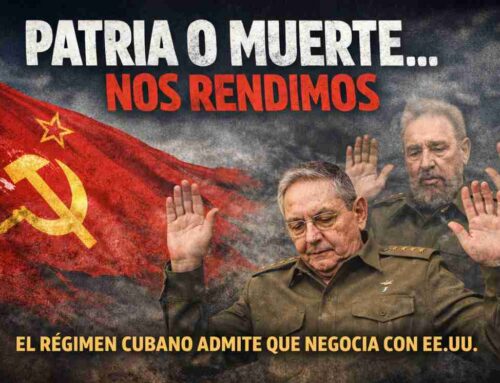
9-DÍAZ-CANEL RESPONDE A TRUMP Y RUBIO CON TONO DESAFIANTE
Miguel Díaz-Canel acusó a Estados Unidos de amenazar casi a diario con derrocar por la fuerza el orden constitucional cubano, en respuesta a declaraciones recientes de Donald Trump y Marco Rubio. Trump había descrito a Cuba como una nación fallida y Rubio insistió en que la economía cubana no funciona y necesita un cambio drástico de liderazgo. El gobernante cubano respondió afirmando que Washington intenta apropiarse del país, sus recursos y su economía mediante una presión prolongada que calificó de guerra económica. Todo esto ocurre en medio de una profunda crisis energética, un nuevo apagón nacional y reportes de contactos entre representantes cubanos y Rubio. Díaz-Canel cerró afirmando que Cuba resistirá cualquier agresión externa.
Fuente: CiberCuba
10-APAGONES Y HAMBRE EMPUJAN A NIÑOS CUBANOS FUERA DE LAS AULAS
Padres, alumnos y maestros describen una situación crítica en el sistema educativo cubano, marcada por apagones, falta de alimentos y escasez de docentes. Varias familias explican que muchos niños ya no asisten regularmente a clases porque pasan la noche sin dormir por la falta de electricidad y no tienen pan ni merienda para llevar a la escuela. Aunque los centros siguen abiertos, muchos estudiantes regresan a casa antes del mediodía. El Ministerio de Educación ha aplicado medidas de emergencia, como clases híbridas en la enseñanza superior y asistencia parcial en otros niveles. A la crisis logística se suma un déficit nacional de más de 24.000 maestros, con La Habana entre los territorios más afectados.
Fuente: Martí Noticias
11-UN SISMO DE 6,0 SACUDE GUANTÁNAMO Y DEJA MÁS DE 160 RÉPLICAS
Un terremoto de magnitud 6,0 sacudió en la madrugada del martes el sur de Imías, en Guantánamo, y confirmó la fuerte inestabilidad sísmica del oriente cubano. El Centro Nacional de Investigaciones Sismológicas informó que el evento se produjo a 20 kilómetros de profundidad y a 37 kilómetros al sureste de Imías. Tras el temblor se registraron más de 160 réplicas, algo que especialistas consideran normal después de un sismo de esta magnitud. No se reportaron daños humanos ni materiales inmediatos. Expertos explicaron que el fenómeno se originó en la zona de fallas Oriente, límite entre la placa de Norteamérica y la microplaca de Gonave, un sector con intensa actividad tectónica.
Fuente: Diario de Cuba
12-AIR CHINA YA NO PUEDE VOLAR DESDE LA HABANA SIN ESCALA TÉCNICA
Air China tuvo que introducir una parada técnica en Nassau, Bahamas, para repostar combustible en su ruta entre La Habana y Madrid, reflejo de las restricciones operativas que afectan a la aviación en Cuba. Hasta hace poco, la compañía china era de las pocas autorizadas a cargar combustible en la capital cubana, junto con Cubana de Aviación. Sin embargo, desde marzo esa ventaja también quedó limitada. La escala en Nassau estará vigente al menos hasta inicios de abril. Mientras tanto, otras aerolíneas que cubren rutas hacia España siguen usando Santo Domingo como parada. Según fuentes del sector citadas por Diario de Cuba, el nivel de ocupación de todos esos vuelos es actualmente bajo.
Fuente: Diario de Cuba
13-IRÁN CONFIRMA LA MUERTE DE DOS ALTOS JEFES DE SU APARATO REPRESIVO
Teherán confirmó la muerte de Gholamreza Soleimani, comandante de la milicia Basij, y de Alí Larijani, secretario general del Consejo Supremo de Seguridad Nacional, en ataques atribuidos a Estados Unidos e Israel. Soleimani dirigía una estructura paramilitar asociada a la represión interna de protestas y era una de las figuras más temidas del aparato coercitivo iraní. Las autoridades militares lo presentaron como víctima de un ataque terrorista y prometieron continuar la lucha. Poco después también fue confirmada la muerte de Larijani, una figura de enorme peso político dentro del régimen. Ambos fallecimientos representan un golpe severo para la cúpula iraní y subrayan el alcance de la actual ofensiva contra estructuras clave del poder en Teherán.
Fuente: Diario de Cuba
14-VENEZUELA DERROTA A ESTADOS UNIDOS Y GANA SU PRIMER CLÁSICO
Venezuela conquistó el Clásico Mundial de Béisbol 2026 al vencer 3-2 a Estados Unidos en una final disputada en Miami, logrando por primera vez el título del torneo. El equipo venezolano sostuvo su éxito en un pitcheo sólido y bateo oportuno, con protagonismo ofensivo de figuras como Wilyer Abreu y Eugenio Suárez. Estados Unidos igualó el marcador en la octava entrada con un jonrón de Bryce Harper, pero Venezuela respondió para recuperar la ventaja definitiva. El abridor Eduardo Rodríguez y el bullpen también fueron determinantes durante todo el campeonato. La victoria fue celebrada como un logro histórico para el béisbol venezolano y como una señal del crecimiento competitivo del país en el escenario internacional.
Fuente: CiberCuba
15-ASALTO ARMADO A COOPERATIVA EN MATANZAS TERMINA CON CUATRO DETENIDOS
Siete hombres encapuchados y montados a caballo asaltaron una cooperativa agropecuaria en Colón, Matanzas, realizaron disparos al aire y robaron nueve reses, según reportes vinculados al Ministerio del Interior. Los animales fueron luego sacrificados en un campo cercano. La policía arrestó a cuatro sospechosos identificados solo por sus nombres de pila, y afirmó que algunos de ellos tenían antecedentes por delitos similares. Aunque la versión oficial presentó las detenciones como un golpe importante contra la delincuencia rural, el caso vuelve a exponer el aumento del robo de ganado en Cuba. Productores y campesinos denuncian que estos hechos se han vuelto frecuentes, afectan gravemente su patrimonio y profundizan la inseguridad alimentaria del país.
Fuente: CiberCuba
16-LA MAYORÍA DE LOS RECIÉN EXCARCELADOS CUMPLÍA CONDENAS POR SEDICIÓN
El centro de monitoreo Justicia 11J informó que la mayoría de los presos políticos beneficiados recientemente con excarcelaciones en Cuba cumplía condenas por sedición relacionadas con las protestas del 11 de julio de 2021. La organización ha verificado varios casos de liberaciones condicionadas, entre ellos personas condenadas a penas de entre nueve y dieciocho años. Sin embargo, figuras de alto perfil del movimiento opositor y del activismo artístico continúan encarceladas. Justicia 11J recordó además que mantiene un subregistro de 760 personas presas por razones políticas en la isla, de las cuales 358 fueron encarceladas por el 11J. El grupo insiste en que las liberaciones parciales no alteran la magnitud del problema represivo.
Fuente: Martí Noticias
17-LA REPRESIÓN GOLPEA A PRESOS POLÍTICOS, RELIGIOSOS Y MENORES
Nuevos casos documentados en marzo muestran que la represión en Cuba continúa afectando a presos políticos, líderes religiosos, activistas y menores de edad. El activista Roilán Álvarez Rensoler seguía bajo fuerte vigilancia médica tras una prolongada huelga de hambre, mientras su familia denunciaba falta de acceso e información. También aumentó la preocupación por Yosvany Rosell García Caso, cuya esposa teme nuevas agresiones en prisión. En Morón, el pastor Elier Muir Ávila fue retenido y su hijo menor quedó bajo custodia policial tras una citación. Paralelamente, Cubalex documentó 242 eventos represivos durante febrero en todo el país, con 528 incidentes de hostigamiento y 190 víctimas registradas en distintas categorías de violaciones.
Fuente: Diario de Cuba
18-MIKE HAMMER VISITA A YOANI SÁNCHEZ EN MEDIO DEL APAGÓN
El encargado de negocios de Estados Unidos en Cuba, Mike Hammer, visitó la redacción de 14ymedio en La Habana y sostuvo un encuentro con Yoani Sánchez y Reinaldo Escobar, en medio de apagones y denuncias de presión oficial contra la prensa independiente. Según el propio medio, el diplomático tuvo que subir a pie catorce pisos debido a la falta de electricidad en el edificio. En la reunión también participó Leslie Núñez Goodman, consejera de la embajada estadounidense. El encuentro ocurrió días después de que Yoani Sánchez denunciara haber sido retenida en su vivienda por agentes de la Seguridad del Estado. La visita fue interpretada como una señal de respaldo al periodismo independiente en un contexto de creciente tensión política.
Fuente: Cubita Now
19-DÍAZ-CANEL PROMETE AUTOSUFICIENCIA ARROCERA CON APOYO VIETNAMITA
Miguel Díaz-Canel aseguró que Cuba podrá autoabastecerse de arroz “en poco tiempo” gracias a proyectos desarrollados con apoyo vietnamita, en medio de una crisis alimentaria persistente y del creciente descontento social. El gobernante recibió a Nguyen Van Quang, presidente de la empresa Agri-VMA, que trabaja en iniciativas arroceras en Los Palacios, Pinar del Río. Según la versión oficial, la cooperación incluye tierras en usufructo, asociaciones con productores cubanos y venta de insumos en divisas para elevar la productividad. Sin embargo, las declaraciones contrastan con la situación real del país, donde el arroz escasea con frecuencia, sube de precio y sigue dependiendo en gran medida de importaciones para cubrir la demanda interna.
Fuente: CiberCuba
Ir a versión:
🇪🇸 Español |
🇺🇸 English |
🇫🇷 Français |
🇮🇹 Italiano
1-RUBIO SAYS CUBA NEEDS A CHANGE IN LEADERSHIP
Marco Rubio said at the White House that Cuba’s central problem is a “dysfunctional” economy that the current political system cannot repair. He argued that the Cuban leadership does not know how to solve the crisis and that the country needs “new people in charge.” His remarks followed comments by Donald Trump, who said Washington is highly focused on Cuba and will be doing something about the island soon. Rubio also stressed that the embargo remains linked to political change and referred to the Helms-Burton law. He added that Cuba survived for decades on Soviet and later Venezuelan subsidies, both of which have now sharply weakened.
Source: Martí Noticias
2-MOST OF CUBA REMAINS IN THE DARK AFTER POWER COLLAPSE
Cuba’s Electric Union reported only 806 megawatts available nationwide, an extremely low figure compared with demand that usually reaches 3,000 to 3,200 megawatts. The number confirms that, after the total collapse of March 16, recovery of the national grid remains very limited. More than 70 or even 80 percent of the territory and population continues to suffer blackouts or has done so in the previous hours. Granma, Santiago de Cuba and Guantánamo were still disconnected from the system, while only about half of Havana had power restored. Authorities said Unit 1 of the Felton thermoelectric plant might come online during the night to support the fragile network.
Source: Martí Noticias
3-RUSSIA OFFERS HELP TO CUBA BUT STILL AVOIDS CONCRETE ACTION
The Kremlin again declared that it is ready to provide “all possible assistance” to Cuba and acknowledged serious humanitarian problems on the island, yet it announced no specific material measures. Spokesman Dmitri Peskov repeated language used in recent weeks while Moscow continues to avoid firm commitments. Since February, Russian officials have said they were studying options to assist Havana, but no new oil shipments or substantial support have arrived. The Foreign Ministry reiterated solidarity with Cuba and blamed the United States embargo, but offered no operational details. The overall picture suggests that, while Cuba remains symbolically important to Moscow, it is not a strategic priority worthy of major resource allocation under current geopolitical conditions.
Source: Diario de Cuba
4-MAJOR GAPS EMERGE IN CUBA’S NEW FOREIGN INVESTMENT OPENING
Analysts and business groups identified serious weaknesses in Cuba’s announcement that emigrants may be allowed to invest and operate businesses on the island. The Cuba-US Economic and Commercial Council described the measure as delayed and noted that Havana could have enabled such operations years ago but refused. Economist Pedro Monreal also warned that the initiative rests in a legal gray zone because there is no published legislation clearly authorizing Cubans living abroad to own or partner in MIPYMES. He added that Cubans residing in the United States would still need changes in US restrictions. Without legal certainty, dispute resolution mechanisms and international banking access, the plan inspires skepticism more than real investor confidence.
Source: Diario de Cuba
5-NEW POT-BANGING PROTESTS SPREAD THROUGH HAVANA AND BEYOND
Protests over blackouts and deteriorating living conditions continued to spread in Cuba, with new cacerolazo demonstrations reported in Buenavista, Playa, and San Agustín, La Lisa. Activists and independent journalists said residents came out at night banging pots and pans, and in at least one area electricity was restored after the protest. Similar actions were also reported in Santiago de Cuba and Ciego de Ávila. According to people tracking these events, the island may now be experiencing a twelfth consecutive day of scattered demonstrations. Prolonged power cuts, food shortages and worsening basic services continue to fuel public frustration. These nightly outbursts increasingly reflect a broader social challenge to official control and enforced silence.
Source: CiberCuba
6-UNIVERSITY STUDENTS CONFRONT MINISTER BUT GET NO REAL ANSWERS
More than forty Cuban university students met with Higher Education Minister Walter Baluja to describe how the national crisis is damaging their studies, but they left without concrete answers. The meeting took place one week after a peaceful and unusual student protest on the steps of the University of Havana. During the closed-door session, students complained about the effects of blackouts, poor internet access and transportation problems, and some proposed polling the student body on whether the semester should be suspended. They also expressed distrust toward the official student federation, saying it does not truly represent their concerns. Cuba’s economic and energy crises are pushing universities into semi-presential models and deepening institutional discontent.
Source: Diario de Cuba
7-THE CUBAN REGIME IS LOSING POLITICAL SPACE IN LATIN AMERICA
A political analysis argues that the Cuban regime is steadily losing support across Latin America, especially after the recent Shield of the Americas summit in Miami backed by Donald Trump and attended by thirteen regional leaders. The article presents the gathering as a boost for democratic systems and an implicit rebuke to dictatorships in the hemisphere. It also suggests that, following Nicolás Maduro’s capture, initiatives such as ALBA and Petrocaribe have largely lost relevance. CELAC remains one of the few useful regional spaces for Havana, but even that forum is limited by ideological diversity and recurring disagreements. Recent electoral defeats for leftist governments are portrayed as further narrowing the regime’s geopolitical room for maneuver.
Source: Diario de Cuba
8-CUBALEX DENOUNCES OPACITY IN ANNOUNCED RELEASES OF PRISONERS
Cubalex denounced a lack of transparency and arbitrariness in the prisoner release process announced by the Cuban government as a gesture ahead of Holy Week. The legal group questioned the fact that authorities have not published the names of those included or clarified the legal mechanism applied in each case. Based on its monitoring, some people released in earlier processes were later returned to prison, reinforcing concerns that these measures are reversible and punitive. Cubalex also criticized the requirement that some former inmates sign commitment documents imposing further restrictions, including limits on social media activity. According to the organization, these are not full liberations but conditional excarcerations used by the state as a political instrument.
Source: CubaNet
9-DÍAZ-CANEL FIRES BACK AT TRUMP AND RUBIO IN DEFIANT MESSAGE
Miguel Díaz-Canel accused the United States of almost daily threatening to overthrow Cuba’s constitutional order by force, responding directly to recent remarks by Donald Trump and Marco Rubio. Trump had described Cuba as a failed nation, while Rubio insisted that the Cuban economy does not work and needs drastic leadership change. Díaz-Canel replied that Washington seeks to take over the country, its resources and its economy through prolonged pressure that he described as economic warfare. The exchange comes amid an unprecedented energy crisis, another nationwide blackout and reports of contacts between Cuban representatives and Rubio. Díaz-Canel ended his message by warning that any external aggressor would face what he called an unbreakable Cuban resistance.
Source: CiberCuba
10-BLACKOUTS AND HUNGER ARE DRIVING CUBAN STUDENTS OUT OF SCHOOL
Parents, students and teachers describe a critical situation in Cuba’s education system, shaped by blackouts, food shortages and a lack of teachers. Several families say many children are no longer attending classes regularly because they spend the night without sleep due to power cuts and have no bread or snacks to take to school. Although schools remain officially open, many pupils return home before noon. The Education Ministry has introduced emergency adjustments, including hybrid university classes and partial attendance schedules at lower levels. Added to the logistical crisis is a national shortage of more than 24,000 teachers. Havana is among the hardest-hit provinces, with especially weak staffing levels in many municipalities.
Source: Martí Noticias
11-A 6.0 EARTHQUAKE SHAKES GUANTÁNAMO AND TRIGGERS 160 AFTERSHOCKS
A magnitude 6.0 earthquake struck south of Imías, Guantánamo, early Tuesday, confirming the intense seismic instability of eastern Cuba. The National Center for Seismological Research said the quake occurred at a depth of 20 kilometers and about 37 kilometers southeast of Imías. More than 160 aftershocks were registered afterward, something specialists consider normal following an event of that size. No immediate human or material damage was reported. Experts explained that the earthquake originated in the Oriente fault zone, which marks the boundary between the North American plate and the Gonave microplate. The affected sector has a long history of tectonic stress and remains one of the island’s most active seismic areas.
Source: Diario de Cuba
12-AIR CHINA CAN NO LONGER FLY FROM HAVANA WITHOUT A FUEL STOP
Air China has been forced to add a technical stop in Nassau, Bahamas, to refuel on its route between Havana and Madrid, illustrating the operational restrictions now affecting aviation in Cuba. Until recently, the Chinese carrier was among the very few still authorized to load fuel in Havana, alongside Cubana de Aviación. That advantage has now narrowed as well. The Nassau stop is expected to remain in place at least until early April. Meanwhile, other airlines serving Spain routes continue stopping in Santo Domingo. According to aviation sector sources cited by Diario de Cuba, passenger occupancy on all these flights is currently low. The situation reflects the island’s broader fuel and logistics crisis.
Source: Diario de Cuba
13-IRAN CONFIRMS DEATHS OF TWO SENIOR FIGURES IN ITS REPRESSIVE APPARATUS
Tehran confirmed the deaths of Gholamreza Soleimani, commander of the Basij paramilitary force, and Ali Larijani, secretary general of the Supreme National Security Council, in attacks attributed to the United States and Israel. Soleimani led a structure deeply associated with the repression of domestic protests and was one of the most feared figures within Iran’s coercive apparatus. Military authorities described him as the victim of a terrorist attack and vowed that the Basij would continue its mission. Soon afterward, officials also confirmed the death of Larijani, an influential political heavyweight within the regime. Together, the two losses represent a major blow to Iran’s ruling elite and to key pillars of its internal security and power structure.
Source: Diario de Cuba
14-VENEZUELA DEFEATS THE UNITED STATES TO WIN ITS FIRST CLASSIC TITLE
Venezuela won the 2026 World Baseball Classic by defeating the United States 3-2 in a dramatic final played in Miami, securing the country’s first championship in tournament history. The Venezuelan team relied on strong pitching and timely hitting, with offensive contributions from players such as Wilyer Abreu and Eugenio Suárez. The United States tied the game in the eighth inning on a two-run homer by Bryce Harper, but Venezuela answered shortly afterward to reclaim the lead for good. Starter Eduardo Rodríguez and the bullpen were also decisive throughout the tournament. The victory was celebrated as a historic milestone for Venezuelan baseball and as confirmation of the country’s growing competitiveness on the international stage.
Source: CiberCuba
15-ARMED RAID ON A COOPERATIVE IN MATANZAS ENDS WITH FOUR ARRESTS
Seven masked men on horseback reportedly stormed an agricultural cooperative in Colón, Matanzas, fired shots into the air and stole nine cattle, according to reports linked to Cuba’s Interior Ministry. The animals were later slaughtered in a nearby cane field. Police arrested four suspects identified only by their first names and said some had records connected to similar crimes. Although the official version portrayed the arrests as a major victory against rural crime, the case again highlights the rise of cattle theft in Cuba. Farmers and producers have repeatedly warned that these crimes are becoming frequent, severely damaging their property and livelihoods while further weakening the country’s agricultural economy and already fragile food security.
Source: CiberCuba
16-MOST RECENTLY RELEASED PRISONERS IN CUBA WERE JAILED FOR SEDITION
The monitoring group Justicia 11J reported that most of the political prisoners recently granted release measures in Cuba had been serving sedition sentences linked to the July 11, 2021 protests. The organization has verified several conditional releases involving people originally sentenced to terms ranging from nine to eighteen years. However, prominent opposition figures and well-known dissidents remain behind bars. Justicia 11J also recalled that it keeps a subregistry of 760 people imprisoned for political reasons on the island, including 358 jailed in connection with the 11J demonstrations. The group argues that selective or partial releases do not change the scale of political repression and do not resolve the broader human rights crisis in Cuban prisons.
Source: Martí Noticias
17-REPRESSION IN CUBA HITS POLITICAL PRISONERS, RELIGIOUS LEADERS AND MINORS
New cases documented in March show that repression in Cuba continues to affect political prisoners, religious leaders, activists and minors. Activist Roilán Álvarez Rensoler remained under strict medical surveillance after a prolonged hunger strike, while his relatives complained that they were denied access and clear information. Concern also grew for political prisoner Yosvany Rosell García Caso, whose wife fears new violence against him in prison. In Morón, pastor Elier Muir Ávila was detained and his teenage son remained in police custody after responding to a summons. At the same time, Cubalex documented 242 repressive events across the country in February, including 528 incidents of harassment and 190 identified victims in multiple categories of abuse.
Source: Diario de Cuba
18-MIKE HAMMER VISITS YOANI SÁNCHEZ IN THE MIDST OF A BLACKOUT
The United States chargé d’affaires in Cuba, Mike Hammer, visited the Havana newsroom of 14ymedio and met with Yoani Sánchez and Reinaldo Escobar amid blackouts and ongoing complaints of pressure against independent journalism. According to the outlet, the diplomat had to climb fourteen floors on foot because the building had no electricity. Leslie Núñez Goodman, a counselor from the US embassy, also took part in the meeting. The visit came only days after Yoani Sánchez reported that State Security agents had prevented her from leaving her home without explanation. The encounter was widely interpreted as a sign of support for independent media at a time of rising political tension and worsening social conditions across the island.
Source: Cubita Now
19-DÍAZ-CANEL PROMISES RICE SELF-SUFFICIENCY WITH VIETNAMESE SUPPORT
Miguel Díaz-Canel claimed that Cuba will be able to achieve rice self-sufficiency “in a short time” thanks to projects developed with Vietnamese support, despite the island’s continuing food crisis and rising public frustration. The Cuban leader met with Nguyen Van Quang, head of the company Agri-VMA, which is involved in rice production initiatives in Los Palacios, Pinar del Río. According to the official account, the cooperation includes usufruct land arrangements, partnerships with Cuban producers and the sale of supplies in foreign currency to improve yields. Yet the promise sharply contrasts with daily reality, as rice remains scarce, expensive and heavily dependent on imports to cover domestic demand throughout the country.
Source: CiberCuba
Ir a versión:
🇪🇸 Español |
🇺🇸 English |
🇫🇷 Français |
🇮🇹 Italiano
1-RUBIO DIT QUE CUBA A BESOIN D’UN CHANGEMENT DE DIRECTION
Marco Rubio a déclaré à la Maison-Blanche que le problème central de Cuba est une économie « dysfonctionnelle » que le système politique actuel est incapable de corriger. Selon lui, les dirigeants cubains ne savent pas comment résoudre la crise et le pays a besoin de « nouvelles personnes aux commandes ». Ses propos ont suivi ceux de Donald Trump, qui a assuré que Washington est très concentré sur Cuba et fera bientôt quelque chose concernant l’île. Rubio a également rappelé que l’embargo reste lié à des changements politiques et a évoqué la loi Helms-Burton. Il a ajouté que Cuba a survécu pendant des décennies grâce aux subventions soviétiques puis vénézuéliennes, aujourd’hui fortement affaiblies.
Source: Martí Noticias
2-LA PLUS GRANDE PARTIE DE CUBA RESTE DANS LE NOIR APRÈS L’EFFONDREMENT ÉLECTRIQUE
L’Union électrique de Cuba a signalé seulement 806 mégawatts disponibles dans tout le pays, un niveau extrêmement faible face à une demande qui atteint habituellement 3.000 à 3.200 mégawatts. Ce chiffre confirme qu’après l’effondrement total du 16 mars, le rétablissement du système national reste très limité. Plus de 70 voire 80 pour cent du territoire et de la population continue de subir des coupures ou en a souffert durant les heures précédentes. Les provinces de Granma, Santiago de Cuba et Guantánamo n’étaient toujours pas reconnectées, tandis qu’à La Havane seule environ la moitié de la ville avait récupéré le service. Les autorités ont annoncé l’éventuelle entrée nocturne de l’unité 1 de Felton.
Source: Martí Noticias
3-LA RUSSIE PROMET SON AIDE À CUBA MAIS ÉVITE TOUJOURS LES ACTES CONCRETS
Le Kremlin a de nouveau affirmé qu’il était prêt à fournir « toute l’aide possible » à Cuba et a reconnu l’existence de sérieux problèmes humanitaires sur l’île, sans annoncer toutefois de mesures matérielles précises. Le porte-parole Dmitri Peskov a répété une formule déjà utilisée ces dernières semaines, tandis que Moscou évite toujours des engagements fermes. Depuis février, les autorités russes disent étudier des options d’assistance, mais aucun nouveau chargement de pétrole ni soutien significatif n’a été constaté. Le ministère russe des Affaires étrangères a réaffirmé sa solidarité avec La Havane et accusé l’embargo américain, mais sans détails opérationnels. L’ensemble suggère que Cuba reste importante symboliquement, mais n’est pas une priorité stratégique réelle pour Moscou.
Source: Diario de Cuba
4-DE GRAVES LACUNES APPARAISSENT DANS L’OUVERTURE CUBAINE À L’INVESTISSEMENT
Des analystes et groupes économiques ont relevé de sérieuses faiblesses dans l’annonce cubaine autorisant les émigrés à investir et créer des affaires sur l’île. Le Conseil économique et commercial Cuba-États-Unis a qualifié cette mesure de tardive et a rappelé que La Havane pouvait permettre ce type d’opérations depuis des années, mais s’y était refusée. L’économiste Pedro Monreal a en outre averti que l’initiative repose sur une zone grise juridique, faute d’une législation publiée autorisant clairement les Cubains de l’étranger à être propriétaires ou associés de MIPYMES. Il a aussi souligné que des Cubains vivant aux États-Unis auraient besoin de changements réglementaires supplémentaires. Sans garanties juridiques ni accès bancaire fiable, la méfiance domine.
Source: Diario de Cuba
5-DE NOUVEAUX CACEROLAZOS S’ÉTENDENT À LA HAVANE ET EN PROVINCE
Les protestations contre les coupures d’électricité et la détérioration des conditions de vie ont continué de s’étendre à Cuba, avec de nouveaux cacerolazos signalés à Buenavista, dans la municipalité de Playa, et à San Agustín, dans La Lisa. Des activistes et journalistes indépendants ont indiqué que des habitants sont sortis la nuit en frappant sur des casseroles et que, dans au moins une zone, l’électricité a été rétablie après la manifestation. Des actions semblables ont également été rapportées à Santiago de Cuba et à Ciego de Ávila. Selon plusieurs observateurs, il s’agirait déjà du douzième jour consécutif de protestations dispersées. Les longues coupures, la pénurie alimentaire et la dégradation des services nourrissent toujours davantage le mécontentement populaire.
Source: CiberCuba
6-DES ÉTUDIANTS UNIVERSITAIRES INTERPELLENT LE MINISTRE SANS OBTENIR DE RÉPONSES
Plus de quarante étudiants universitaires cubains ont rencontré le ministre de l’Enseignement supérieur, Walter Baluja, pour exposer les effets de la crise nationale sur leurs études, mais ils sont repartis sans réponses concrètes. La réunion a eu lieu une semaine après une protestation pacifique et inhabituelle sur les marches de l’Université de La Havane. Durant l’échange, les jeunes ont dénoncé les conséquences des coupures, de la mauvaise connexion internet et des problèmes de transport, allant jusqu’à proposer une consultation étudiante sur une éventuelle suspension du semestre. Ils ont aussi exprimé leur méfiance envers la fédération étudiante officielle. Les crises économique et énergétique poussent les universités vers des formules semi-présentielles et accroissent le malaise institutionnel.
Source: Diario de Cuba
7-LE CASTRISME PERD DU TERRAIN POLITIQUE EN AMÉRIQUE LATINE
Une analyse affirme que le régime cubain perd progressivement des soutiens en Amérique latine, notamment après le récent sommet Bouclier des Amériques organisé à Miami avec l’appui de Donald Trump et la présence de treize chefs d’État ou de gouvernement. Le texte présente cette rencontre comme un soutien aux systèmes démocratiques et une condamnation implicite des dictatures du continent. Il soutient aussi qu’après la capture de Nicolás Maduro, des mécanismes comme l’ALBA et Petrocaribe ont largement perdu de leur poids. La CELAC apparaît comme l’un des rares espaces encore utiles à La Havane, mais ses divisions idéologiques en limitent la portée. Les défaites électorales de plusieurs gouvernements de gauche réduiraient aussi la marge géopolitique du castrisme.
Source: Diario de Cuba
8-CUBALEX DÉNONCE L’OPACITÉ DES EXCARCÉRATIONS ANNONCÉES PAR LA HAVANE
Cubalex a dénoncé le manque de transparence et l’arbitraire du processus d’excarcérations annoncé par le gouvernement cubain comme geste avant la Semaine sainte. L’organisation a critiqué l’absence de publication des noms des personnes concernées ainsi que l’absence d’explications sur la mesure juridique appliquée dans chaque cas. Selon son suivi, une partie des personnes libérées lors de processus antérieurs a ensuite été renvoyée en prison, ce qui confirme, à ses yeux, le caractère réversible et punitif de ces décisions. Cubalex a aussi rejeté l’obligation imposée à certains excarcérés de signer des engagements comportant de nouvelles restrictions, notamment sur les réseaux sociaux. L’organisation estime que la liberté reste utilisée comme un instrument politique par l’État cubain.
Source: CubaNet
9-DÍAZ-CANEL RIPOSTE À TRUMP ET RUBIO AVEC UN TON DÉFIANT
Miguel Díaz-Canel a accusé les États-Unis de menacer presque chaque jour de renverser par la force l’ordre constitutionnel cubain, en réponse directe aux déclarations récentes de Donald Trump et Marco Rubio. Trump avait présenté Cuba comme une nation en faillite, tandis que Rubio insistait sur le fait que l’économie cubaine ne fonctionne pas et exige un changement radical de direction. Díaz-Canel a répondu que Washington cherche à s’emparer du pays, de ses ressources et de son économie au moyen d’une pression prolongée qu’il a qualifiée de guerre économique. Tout cela survient dans un contexte de crise énergétique profonde, d’un nouveau blackout national et de contacts signalés entre représentants cubains et Rubio.
Source: CiberCuba
10-COUPURES ET FAIM POUSSENT LES ÉLÈVES CUBAINS HORS DES SALLES DE CLASSE
Parents, élèves et enseignants décrivent une situation critique dans le système éducatif cubain, marqué par les coupures d’électricité, le manque de nourriture et la pénurie d’enseignants. Plusieurs familles expliquent que beaucoup d’enfants ne vont plus régulièrement à l’école parce qu’ils passent la nuit sans dormir à cause des pannes et n’ont ni pain ni collation à emporter. Bien que les écoles restent officiellement ouvertes, de nombreux élèves rentrent chez eux avant midi. Le ministère de l’Éducation a mis en place des mesures d’urgence, notamment des cours hybrides à l’université et des présences partielles dans les autres niveaux. À cela s’ajoute une pénurie nationale de plus de 24.000 enseignants, particulièrement grave à La Havane.
Source: Martí Noticias
11-UN SÉISME DE 6,0 ÉBRANLE GUANTÁNAMO ET DÉCLENCHE 160 RÉPLIQUES
Un tremblement de terre de magnitude 6,0 a frappé au sud d’Imías, dans la province de Guantánamo, tôt mardi matin, confirmant la forte instabilité sismique de l’est de Cuba. Le Centre national de recherches sismologiques a indiqué que le séisme s’est produit à une profondeur de 20 kilomètres, à environ 37 kilomètres au sud-est d’Imías. Plus de 160 répliques ont ensuite été enregistrées, ce que les spécialistes considèrent comme normal après un événement de cette intensité. Aucun dommage humain ni matériel immédiat n’a été signalé. Les experts ont expliqué que le phénomène est né dans la zone de faille Oriente, frontière entre la plaque nord-américaine et la microplaque de Gonâve, très active sur le plan tectonique.
Source: Diario de Cuba
12-AIR CHINA NE PEUT PLUS VOLER DEPUIS LA HAVANE SANS ESCALE TECHNIQUE
Air China a été contrainte d’ajouter une escale technique à Nassau, aux Bahamas, pour se ravitailler sur sa liaison entre La Havane et Madrid, ce qui reflète les restrictions opérationnelles qui touchent désormais l’aviation cubaine. Jusqu’à récemment, la compagnie chinoise figurait parmi les très rares autorisées à charger du carburant à La Havane, avec Cubana de Aviación. Cet avantage s’est désormais réduit. L’escale de Nassau devrait rester en vigueur au moins jusqu’au début du mois d’avril. Pendant ce temps, d’autres compagnies desservant l’Espagne continuent de faire escale à Saint-Domingue. Selon des sources du secteur citées par Diario de Cuba, le taux d’occupation de l’ensemble de ces vols est actuellement faible.
Source: Diario de Cuba
13-L’IRAN CONFIRME LA MORT DE DEUX HAUTS RESPONSABLES DE SA RÉPRESSION
Téhéran a confirmé la mort de Gholamreza Soleimani, commandant de la milice Bassidj, et d’Ali Larijani, secrétaire général du Conseil suprême de sécurité nationale, lors d’attaques attribuées aux États-Unis et à Israël. Soleimani dirigeait une structure étroitement associée à la répression des protestations internes et comptait parmi les figures les plus redoutées de l’appareil coercitif iranien. Les autorités militaires l’ont présenté comme victime d’un attentat terroriste et ont promis de poursuivre le combat. Peu après, elles ont également confirmé la mort de Larijani, personnalité politique influente du régime. Ces deux disparitions constituent un coup sévère pour l’élite dirigeante iranienne et pour des piliers essentiels de son système de contrôle interne.
Source: Diario de Cuba
14-LE VENEZUELA BAT LES ÉTATS-UNIS ET GAGNE SON PREMIER CLASSIC
Le Venezuela a remporté le Classique mondial de baseball 2026 en battant les États-Unis 3-2 dans une finale tendue disputée à Miami, décrochant ainsi le premier titre de son histoire dans ce tournoi. L’équipe vénézuélienne a fondé sa victoire sur un lancer solide et des frappes décisives au bon moment, avec des contributions offensives de joueurs comme Wilyer Abreu et Eugenio Suárez. Les États-Unis ont égalisé en huitième manche grâce à un circuit de Bryce Harper, mais le Venezuela a rapidement repris l’avantage. Le lanceur partant Eduardo Rodríguez et l’enclos de relève ont également joué un rôle déterminant. Ce succès est célébré comme une étape historique pour le baseball vénézuélien sur la scène mondiale.
Source: CiberCuba
15-UN ASSAUT ARMÉ CONTRE UNE COOPÉRATIVE À MATANZAS SE SOLDE PAR QUATRE ARRESTATIONS
Sept hommes masqués à cheval ont attaqué une coopérative agricole à Colón, dans la province de Matanzas, ont tiré en l’air et volé neuf têtes de bétail, selon des informations liées au ministère cubain de l’Intérieur. Les animaux ont ensuite été abattus dans un champ voisin. La police a arrêté quatre suspects identifiés seulement par leurs prénoms et a indiqué que certains avaient déjà participé à des faits similaires. Bien que la version officielle présente ces arrestations comme une grande victoire contre la criminalité rurale, cette affaire souligne une nouvelle fois l’augmentation du vol de bétail à Cuba. Les paysans dénoncent des pertes croissantes qui frappent leur patrimoine, l’économie agricole et la sécurité alimentaire du pays.
Source: CiberCuba
16-LA PLUPART DES EXCARCÉRÉS RÉCENTS À CUBA ÉTAIENT CONDAMNÉS POUR SÉDITION
Le groupe de suivi Justicia 11J a indiqué que la majorité des prisonniers politiques récemment bénéficiaires de mesures de sortie à Cuba purgeaient des peines pour sédition liées aux manifestations du 11 juillet 2021. L’organisation a vérifié plusieurs libérations conditionnelles concernant des personnes condamnées à des peines allant de neuf à dix-huit ans. Toutefois, des figures très connues de l’opposition et de l’activisme restent toujours emprisonnées. Justicia 11J a également rappelé qu’elle tient un sous-registre de 760 personnes détenues pour motifs politiques sur l’île, dont 358 incarcérées en lien avec le 11J. Le groupe estime que ces libérations partielles ne modifient ni l’ampleur de la répression ni la crise des droits humains dans les prisons cubaines.
Source: Martí Noticias
17-LA RÉPRESSION FRAPPE PRISONNIERS POLITIQUES, RELIGIEUX ET MINEURS À CUBA
De nouveaux cas documentés en mars montrent que la répression à Cuba continue de toucher des prisonniers politiques, des responsables religieux, des militants et même des mineurs. L’activiste Roilán Álvarez Rensoler restait sous stricte surveillance médicale après une longue grève de la faim, tandis que sa famille dénonçait un manque d’accès et d’informations. L’inquiétude a aussi grandi pour le prisonnier politique Yosvany Rosell García Caso, dont l’épouse craint de nouvelles violences en détention. À Morón, le pasteur Elier Muir Ávila a été retenu et son fils adolescent est resté sous garde policière après une convocation. Parallèlement, Cubalex a recensé 242 événements répressifs en février, comprenant 528 incidents de harcèlement et 190 victimes identifiées.
Source: Diario de Cuba
18-MIKE HAMMER REND VISITE À YOANI SÁNCHEZ EN PLEIN BLACKOUT
Le chargé d’affaires des États-Unis à Cuba, Mike Hammer, a visité la rédaction de 14ymedio à La Havane et s’est entretenu avec Yoani Sánchez et Reinaldo Escobar dans un contexte de coupures d’électricité et de pressions contre la presse indépendante. Selon le média, le diplomate a dû monter à pied quatorze étages faute de courant dans l’immeuble. Leslie Núñez Goodman, conseillère de l’ambassade américaine, a également participé à la rencontre. La visite intervient quelques jours après que Yoani Sánchez a dénoncé avoir été empêchée de sortir de chez elle par des agents de la Sécurité de l’État. Ce geste a été interprété comme un signe de soutien au journalisme indépendant dans un climat politique de plus en plus tendu.
Source: Cubita Now
19-DÍAZ-CANEL PROMET L’AUTOSUFFISANCE EN RIZ GRÂCE À L’APPUI VIETNAMIEN
Miguel Díaz-Canel a affirmé que Cuba pourra atteindre l’autosuffisance en riz « en peu de temps » grâce à des projets développés avec l’appui du Vietnam, malgré la crise alimentaire persistante et le mécontentement croissant de la population. Le dirigeant cubain a reçu Nguyen Van Quang, président de l’entreprise Agri-VMA, engagée dans des initiatives rizicoles à Los Palacios, dans la province de Pinar del Río. Selon la version officielle, la coopération comprend des terres en usufruit, des associations avec des producteurs cubains et la vente d’intrants en devises pour accroître les rendements. Cependant, cette promesse contraste fortement avec la réalité quotidienne, puisque le riz reste rare, cher et largement dépendant des importations pour satisfaire la demande nationale.
Source: CiberCuba
Ir a versión:
🇪🇸 Español |
🇺🇸 English |
🇫🇷 Français |
🇮🇹 Italiano
1-RUBIO DICE CHE CUBA HA BISOGNO DI UN CAMBIO DI LEADERSHIP
Marco Rubio ha dichiarato alla Casa Bianca che il problema centrale di Cuba è un’economia “disfunzionale” che l’attuale sistema politico non riesce a correggere. Secondo lui, la dirigenza cubana non sa come risolvere la crisi e il Paese ha bisogno di “nuove persone al comando”. Le sue parole sono arrivate dopo le dichiarazioni di Donald Trump, che ha affermato che Washington è molto concentrata su Cuba e farà presto qualcosa riguardo all’isola. Rubio ha inoltre ricordato che l’embargo resta legato a cambiamenti politici e ha citato la legge Helms-Burton. Ha aggiunto che Cuba è sopravvissuta per decenni grazie ai sussidi sovietici e poi venezuelani, oggi fortemente indeboliti.
Fonte: Martí Noticias
2-QUASI TUTTA CUBA RESTA AL BUIO DOPO IL COLLASSO DEL SISTEMA ELETTRICO
L’Unione Elettrica di Cuba ha riferito che nel Paese sono disponibili soltanto 806 megawatt, una cifra estremamente bassa rispetto a una domanda che normalmente raggiunge i 3.000 o 3.200 megawatt. Il dato conferma che, dopo il collasso totale del 16 marzo, il recupero del sistema nazionale resta molto limitato. Più del 70 o persino dell’80 per cento del territorio e della popolazione continua a subire interruzioni o ne ha sofferto nelle ore precedenti. Le province di Granma, Santiago de Cuba e Guantánamo non erano ancora collegate alla rete, mentre all’Avana solo circa metà città aveva riottenuto il servizio. Le autorità hanno annunciato la possibile entrata notturna dell’unità 1 di Felton.
Fonte: Martí Noticias
3-LA RUSSIA PROMETTE AIUTO A CUBA MA EVITA ANCORA MISURE CONCRETE
Il Cremlino ha nuovamente dichiarato di essere pronto a fornire “tutto l’aiuto possibile” a Cuba e ha riconosciuto la presenza di seri problemi umanitari sull’isola, senza però annunciare misure materiali precise. Il portavoce Dmitri Peskov ha ripetuto una formula già usata nelle ultime settimane, mentre Mosca continua a evitare impegni netti. Da febbraio le autorità russe sostengono di stare valutando opzioni di assistenza, ma non sono arrivati nuovi carichi di petrolio né un sostegno significativo. Il ministero degli Esteri russo ha riaffermato la propria solidarietà con L’Avana e ha attribuito le difficoltà all’embargo statunitense, ma senza dettagli operativi. Nel complesso, Cuba appare importante sul piano simbolico, ma non come priorità strategica reale per Mosca.
Fonte: Diario de Cuba
4-MOLTE LACUNE NELL’APERTURA CUBANA AGLI INVESTIMENTI DEGLI EMIGRATI
Analisti e gruppi economici hanno individuato serie debolezze nell’annuncio cubano che consentirebbe agli emigrati di investire e avviare attività sull’isola. Il Consiglio Economico e Commerciale Cuba-Stati Uniti ha definito la misura tardiva e ha ricordato che L’Avana avrebbe potuto permettere queste operazioni già anni fa, ma non lo ha fatto. L’economista Pedro Monreal ha inoltre avvertito che l’iniziativa si muove in una zona grigia dal punto di vista giuridico, perché manca una normativa pubblicata che autorizzi chiaramente i cubani residenti all’estero a essere soci o proprietari di MIPYMES. Senza certezze legali, arbitrati credibili e accesso bancario internazionale, prevalgono dubbi e scetticismo tra i potenziali investitori.
Fonte: Diario de Cuba
5-NUOVI CACEROLAZOS SI ESTENDONO ALL’AVANA E AD ALTRE PROVINCE
Le proteste contro i blackout e il peggioramento delle condizioni di vita hanno continuato a diffondersi a Cuba, con nuovi cacerolazos segnalati a Buenavista, nel municipio di Playa, e a San Agustín, nella Lisa. Attivisti e giornalisti indipendenti hanno riferito che i residenti sono scesi in strada di notte battendo pentole e padelle e che, in almeno una zona, l’elettricità è stata ripristinata dopo la protesta. Azioni simili sono state segnalate anche a Santiago de Cuba e a Ciego de Ávila. Secondo vari osservatori, si tratterebbe già del dodicesimo giorno consecutivo di manifestazioni sparse. I lunghi blackout, la scarsità di cibo e il deterioramento dei servizi continuano ad alimentare il malcontento popolare e la sfida civile.
Fonte: CiberCuba
6-STUDENTI UNIVERSITARI CONTESTANO IL MINISTRO MA NON OTTENGONO RISPOSTE
Più di quaranta studenti universitari cubani hanno incontrato il ministro dell’Istruzione Superiore, Walter Baluja, per esporre gli effetti della crisi nazionale sui loro studi, ma sono usciti senza risposte concrete. L’incontro si è svolto una settimana dopo una protesta pacifica e insolita sulla scalinata dell’Università dell’Avana. Durante il colloquio, gli studenti hanno denunciato le conseguenze dei blackout, della scarsa connessione internet e dei problemi di trasporto, arrivando a proporre una consultazione studentesca su una possibile sospensione del semestre. Hanno inoltre espresso sfiducia verso la federazione studentesca ufficiale. Le crisi economica ed energetica stanno spingendo le università verso modelli semipresenziali e stanno aggravando il malessere istituzionale.
Fonte: Diario de Cuba
7-IL CASTRISMO PERDE SPAZIO POLITICO IN AMERICA LATINA
Un’analisi sostiene che il regime cubano stia perdendo progressivamente sostegno in America Latina, soprattutto dopo il recente vertice Scudo delle Americhe tenutosi a Miami con l’appoggio di Donald Trump e la partecipazione di tredici leader regionali. Il testo presenta l’incontro come un sostegno ai sistemi democratici e una condanna implicita delle dittature del continente. Sostiene inoltre che, dopo la cattura di Nicolás Maduro, meccanismi come l’ALBA e Petrocaribe abbiano perso gran parte del loro peso. La CELAC appare come uno dei pochi spazi ancora utili a L’Avana, ma le divisioni ideologiche ne limitano l’efficacia. Le recenti sconfitte elettorali di governi di sinistra ridurrebbero ulteriormente il margine geopolitico del castrismo nella regione.
Fonte: Diario de Cuba
8-CUBALEX DENUNCIA OPACITÀ NELLE SCARCERAZIONI ANNUNCIATE DALL’AVANA
Cubalex ha denunciato mancanza di trasparenza e arbitrarietà nel processo di scarcerazioni annunciato dal governo cubano come gesto in vista della Settimana Santa. L’organizzazione ha criticato il fatto che le autorità non abbiano pubblicato i nomi delle persone coinvolte né chiarito quale misura giuridica sia stata applicata in ciascun caso. Secondo il suo monitoraggio, una parte delle persone rilasciate in processi precedenti è poi tornata in carcere, confermando a suo giudizio il carattere reversibile e punitivo di queste decisioni. Cubalex ha inoltre contestato l’obbligo imposto ad alcuni scarcerati di firmare impegni con ulteriori restrizioni, compresi limiti sui social network. Per l’organizzazione, la libertà continua a essere usata come strumento politico dallo Stato.
Fonte: CubaNet
9-DÍAZ-CANEL RISPONDE A TRUMP E RUBIO CON UN TONO DI SFIDA
Miguel Díaz-Canel ha accusato gli Stati Uniti di minacciare quasi ogni giorno di rovesciare con la forza l’ordine costituzionale cubano, rispondendo direttamente alle recenti dichiarazioni di Donald Trump e Marco Rubio. Trump aveva descritto Cuba come una nazione fallita, mentre Rubio insisteva sul fatto che l’economia cubana non funziona e ha bisogno di un cambio drastico di leadership. Díaz-Canel ha replicato affermando che Washington vuole appropriarsi del Paese, delle sue risorse e della sua economia attraverso una pressione prolungata che ha definito guerra economica. Tutto questo avviene in un contesto di profonda crisi energetica, di un nuovo blackout nazionale e di contatti segnalati tra rappresentanti cubani e Rubio.
Fonte: CiberCuba
10-BLACKOUT E FAME SPINGONO GLI STUDENTI CUBANI FUORI DALLE AULE
Genitori, studenti e insegnanti descrivono una situazione critica nel sistema educativo cubano, segnata da blackout, scarsità di cibo e mancanza di docenti. Diverse famiglie spiegano che molti bambini non frequentano più regolarmente la scuola perché passano la notte senza dormire a causa dei tagli di corrente e non hanno pane né merenda da portare con sé. Sebbene le scuole restino ufficialmente aperte, molti alunni tornano a casa prima di mezzogiorno. Il Ministero dell’Istruzione ha introdotto misure di emergenza, comprese lezioni ibride all’università e presenze parziali negli altri livelli. Alla crisi logistica si aggiunge una carenza nazionale di oltre 24.000 insegnanti, particolarmente grave nella provincia dell’Avana.
Fonte: Martí Noticias
11-UN SISMA DI 6,0 SCUOTE GUANTÁNAMO E PROVOCA 160 REPLICHE
Un terremoto di magnitudo 6,0 ha colpito a sud di Imías, nella provincia di Guantánamo, nelle prime ore di martedì, confermando la forte instabilità sismica dell’oriente cubano. Il Centro Nazionale di Ricerche Sismologiche ha precisato che il sisma si è verificato a una profondità di 20 chilometri e a circa 37 chilometri a sud-est di Imías. Successivamente sono state registrate oltre 160 repliche, un fenomeno che gli specialisti considerano normale dopo un evento di questa intensità. Non sono stati segnalati danni umani o materiali immediati. Gli esperti hanno spiegato che il terremoto è nato nella zona di faglia Oriente, confine tra la placca nordamericana e la microplacca di Gonave, molto attiva dal punto di vista tettonico.
Fonte: Diario de Cuba
12-AIR CHINA NON PUÒ PIÙ VOLARE DA L’AVANA SENZA SCALO TECNICO
Air China è stata costretta ad aggiungere uno scalo tecnico a Nassau, nelle Bahamas, per fare rifornimento sulla rotta tra L’Avana e Madrid, riflettendo le restrizioni operative che colpiscono ora l’aviazione cubana. Fino a poco tempo fa, la compagnia cinese era tra le pochissime ancora autorizzate a caricare carburante a L’Avana, insieme a Cubana de Aviación. Anche questo vantaggio si è però ridotto. Lo scalo a Nassau dovrebbe restare in vigore almeno fino ai primi di aprile. Nel frattempo, altre compagnie che servono le rotte verso la Spagna continuano a fermarsi a Santo Domingo. Secondo fonti del settore citate da Diario de Cuba, il tasso di occupazione di questi voli è attualmente basso.
Fonte: Diario de Cuba
13-L’IRAN CONFERMA LA MORTE DI DUE ALTI RESPONSABILI DELLA REPRESSIONE
Teheran ha confermato la morte di Gholamreza Soleimani, comandante della milizia Basij, e di Ali Larijani, segretario generale del Consiglio Supremo di Sicurezza Nazionale, in attacchi attribuiti agli Stati Uniti e a Israele. Soleimani guidava una struttura strettamente associata alla repressione delle proteste interne ed era una delle figure più temute dell’apparato coercitivo iraniano. Le autorità militari lo hanno presentato come vittima di un attacco terroristico e hanno promesso di continuare la lotta. Poco dopo è stata confermata anche la morte di Larijani, personalità politica di grande peso all’interno del regime. Le due perdite rappresentano un colpo molto duro per l’élite dirigente iraniana e per i pilastri del suo controllo interno.
Fonte: Diario de Cuba
14-IL VENEZUELA BATTE GLI STATI UNITI E VINCE IL SUO PRIMO CLASSICO
Il Venezuela ha conquistato il World Baseball Classic 2026 battendo gli Stati Uniti 3-2 in una finale combattuta giocata a Miami, ottenendo così il primo titolo della sua storia nel torneo. La squadra venezuelana ha costruito il successo su un ottimo lavoro dei lanciatori e su battute decisive nei momenti chiave, con contributi offensivi di giocatori come Wilyer Abreu ed Eugenio Suárez. Gli Stati Uniti hanno pareggiato all’ottavo inning grazie a un fuoricampo di Bryce Harper, ma il Venezuela ha reagito subito riprendendo il vantaggio decisivo. Il partente Eduardo Rodríguez e il bullpen sono stati determinanti per tutta la competizione. La vittoria è stata celebrata come una pietra miliare storica del baseball venezuelano.
Fonte: CiberCuba
15-ASSALTO ARMATO A UNA COOPERATIVA A MATANZAS: QUATTRO ARRESTI
Sette uomini mascherati a cavallo hanno assaltato una cooperativa agricola a Colón, nella provincia di Matanzas, hanno sparato in aria e rubato nove capi di bestiame, secondo informazioni legate al Ministero dell’Interno cubano. Gli animali sono stati poi macellati in un campo vicino. La polizia ha arrestato quattro sospetti identificati soltanto con il nome di battesimo e ha affermato che alcuni avrebbero precedenti per reati simili. Sebbene la versione ufficiale presenti gli arresti come un importante successo contro la criminalità rurale, il caso evidenzia ancora una volta l’aumento del furto di bestiame a Cuba. I contadini denunciano perdite crescenti che colpiscono il patrimonio, l’economia agricola e la sicurezza alimentare del Paese.
Fonte: CiberCuba
16-LA MAGGIOR PARTE DEGLI SCARCERATI RECENTI ERA CONDANNATA PER SEDIZIONE
Il gruppo di monitoraggio Justicia 11J ha riferito che la maggior parte dei prigionieri politici recentemente beneficiati da misure di uscita a Cuba stava scontando condanne per sedizione legate alle proteste dell’11 luglio 2021. L’organizzazione ha verificato diverse liberazioni condizionate riguardanti persone condannate a pene comprese tra nove e diciotto anni. Tuttavia, figure molto note dell’opposizione e del dissenso restano ancora in carcere. Justicia 11J ha inoltre ricordato di mantenere un sottoregistro di 760 persone imprigionate per motivi politici sull’isola, delle quali 358 incarcerate in relazione all’11J. Il gruppo sostiene che queste liberazioni parziali non modificano né l’ampiezza della repressione né la crisi dei diritti umani nelle carceri cubane.
Fonte: Martí Noticias
17-LA REPRESSIONE A CUBA COLPISCE PRIGIONIERI POLITICI, RELIGIOSI E MINORI
Nuovi casi documentati a marzo mostrano che la repressione a Cuba continua a colpire prigionieri politici, leader religiosi, attivisti e perfino minori. L’attivista Roilán Álvarez Rensoler restava sotto stretta sorveglianza medica dopo un lungo sciopero della fame, mentre la sua famiglia denunciava la mancanza di accesso e informazioni. È cresciuta anche la preoccupazione per il prigioniero politico Yosvany Rosell García Caso, la cui moglie teme nuove violenze in carcere. A Morón, il pastore Elier Muir Ávila è stato trattenuto e suo figlio adolescente è rimasto sotto custodia della polizia dopo una convocazione. Intanto Cubalex ha registrato 242 eventi repressivi in febbraio, con 528 episodi di molestie e 190 vittime identificate.
Fonte: Diario de Cuba
18-MIKE HAMMER VISITA YOANI SÁNCHEZ IN PIENO BLACKOUT ALL’AVANA
L’incaricato d’affari degli Stati Uniti a Cuba, Mike Hammer, ha visitato la redazione di 14ymedio all’Avana e ha incontrato Yoani Sánchez e Reinaldo Escobar in un contesto segnato da blackout e denunce di pressioni contro la stampa indipendente. Secondo il mezzo, il diplomatico ha dovuto salire a piedi quattordici piani perché l’edificio era senza elettricità. All’incontro ha partecipato anche Leslie Núñez Goodman, consigliera dell’ambasciata statunitense. La visita è avvenuta pochi giorni dopo che Yoani Sánchez aveva denunciato di essere stata trattenuta in casa da agenti della Sicurezza dello Stato senza spiegazioni. Il gesto è stato interpretato come un segnale di sostegno al giornalismo indipendente in un clima politico sempre più teso.
Fonte: Cubita Now
19-DÍAZ-CANEL PROMETTE L’AUTOSUFFICIENZA DEL RISO CON AIUTO VIETNAMITA
Miguel Díaz-Canel ha assicurato che Cuba potrà raggiungere l’autosufficienza nel riso “in poco tempo” grazie a progetti sviluppati con il sostegno del Vietnam, nonostante la persistente crisi alimentare e il crescente malcontento della popolazione. Il leader cubano ha ricevuto Nguyen Van Quang, presidente dell’azienda Agri-VMA, impegnata in iniziative risicole a Los Palacios, nella provincia di Pinar del Río. Secondo la versione ufficiale, la cooperazione comprende terreni in usufrutto, associazioni con produttori cubani e vendita di input in valuta per aumentare i rendimenti. Tuttavia, questa promessa contrasta nettamente con la realtà quotidiana, poiché il riso resta scarso, costoso e ancora fortemente dipendente dalle importazioni per soddisfare la domanda interna del Paese.
Fonte: CiberCuba
Ir a versión:
🇪🇸 Español |
🇺🇸 English |
🇫🇷 Français |
🇮🇹 Italiano
Deja tu comentario